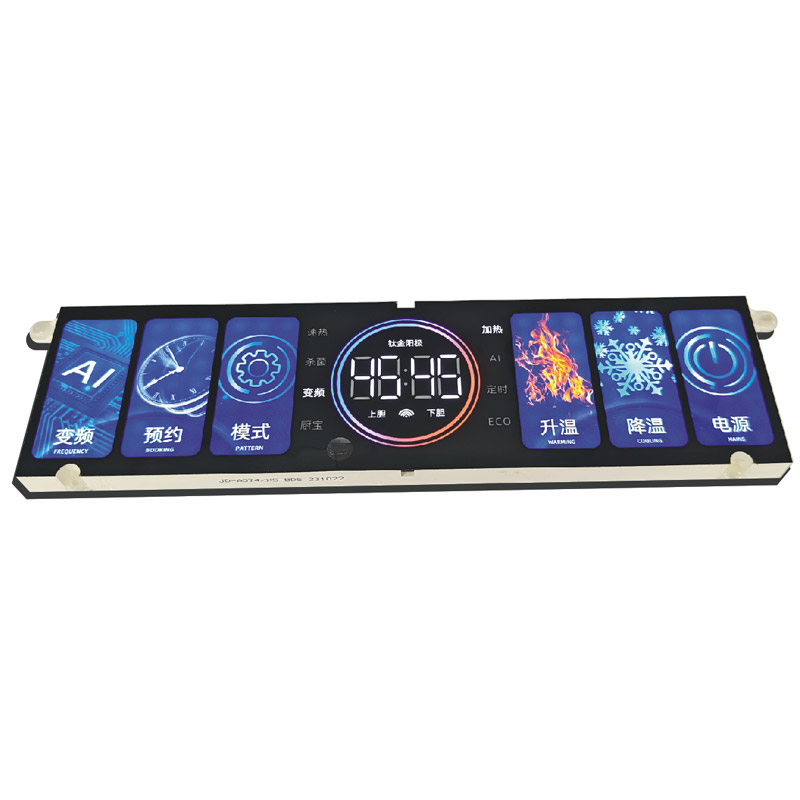
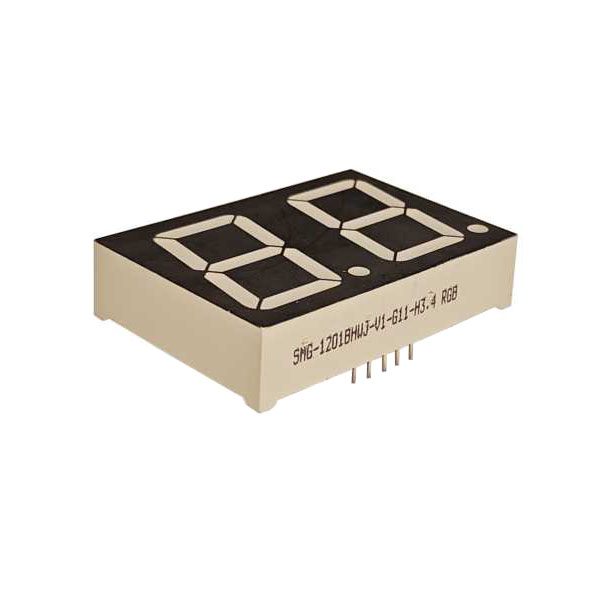
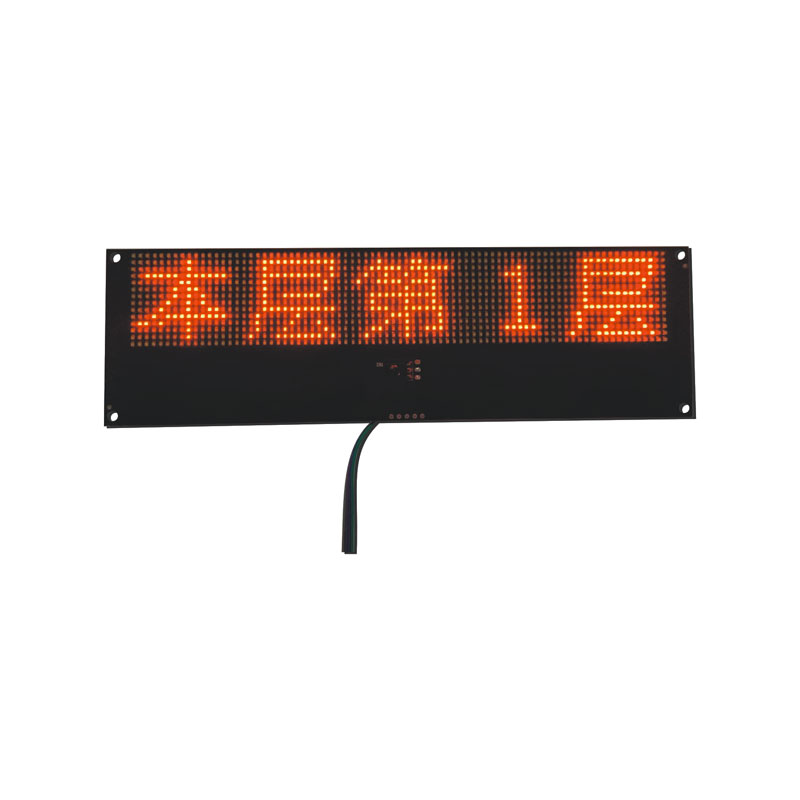
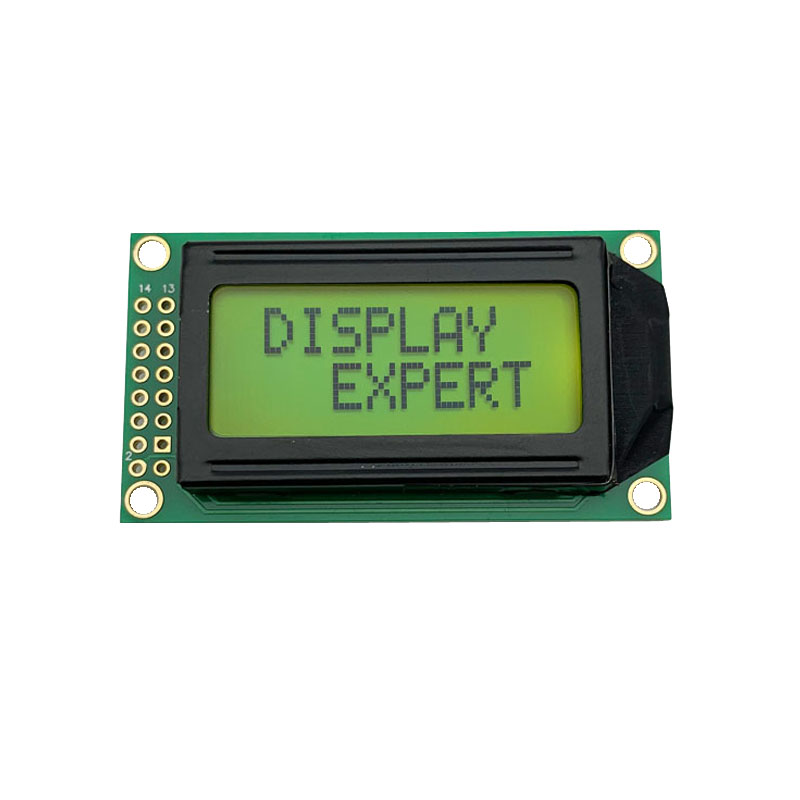
LED displays are classified in many ways according to different characteristics. Here are some of the key points:
First, according to the character height, the minimum character height of LED displays can reach 1mm, especially the monolithic integrated multi-digit digital tube, which is usually between 2 and 3mm. In large displays, the highest character height can reach 12.7mm, or even hundreds of millimeters, which makes them widely applicable in different application scenarios.
Second, from the color perspective, LED displays provide a variety of options, including red, orange, yellow and green, to meet different environmental and design requirements, such as color display or emphasis on specific colors.
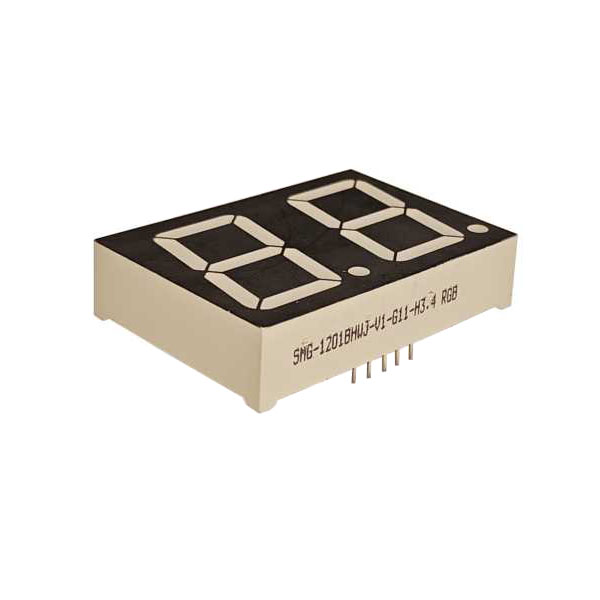
In terms of structure, there are three main types of LED displays: reflective cover type, which enhances brightness through a reflective cover; single-segment seven-segment type, each character consists of seven independent LEDs; and monolithic integrated type, all characters are combined on a small chip, which saves space and is easy to integrate.
Finally, according to the connection method of the light-emitting segment electrodes, it can be divided into two types: common anode and common cathode. The common end of the common anode LED display is connected to the power supply, while the anode of each segment is independently connected to the signal. The common cathode is the opposite, the common end is connected to the signal, and the cathode of each segment is connected to the power supply. These two connection methods determine the differences in circuit design and driving methods.
These classifications of LED displays allow users to choose the most suitable LED display products based on actual needs, such as display accuracy, color requirements, space limitations, and circuit design.
We use cookies to offer you a better browsing experience, analyze site traffic and personalize content. By using this site, you agree to our use of cookies.Privacy Policy