Email Us
News

How Do LED Dot Matrix Displays Shape Visual Communication Across Industries?

2025-12-19

How Do LED Dot Matrix Displays Shape Visual Communication Across Industries?

LED Dot Matrix Displays have become a foundational visual interface in industrial automation, public information systems, commercial advertising, and smart infrastructure. By converting digital signals into structured luminous dot patterns, these displays deliver scalable, energy-efficient, and highly legible visual communication across diverse environments. This article explores how LED Dot Matrix Displays function, how to evaluate their technical parameters, how they are deployed in real-world scenarios, and how emerging trends are redefining their role in future digital ecosystems. The central objective is to provide a structured, technical, and decision-oriented perspective for engineers, procurement managers, and system integrators seeking long-term value and performance reliability.

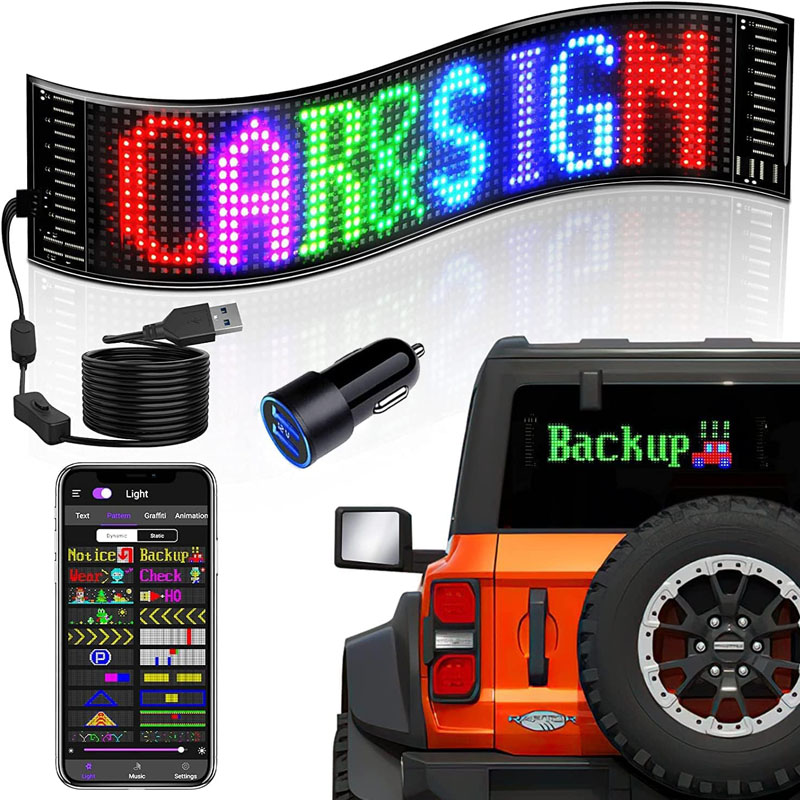
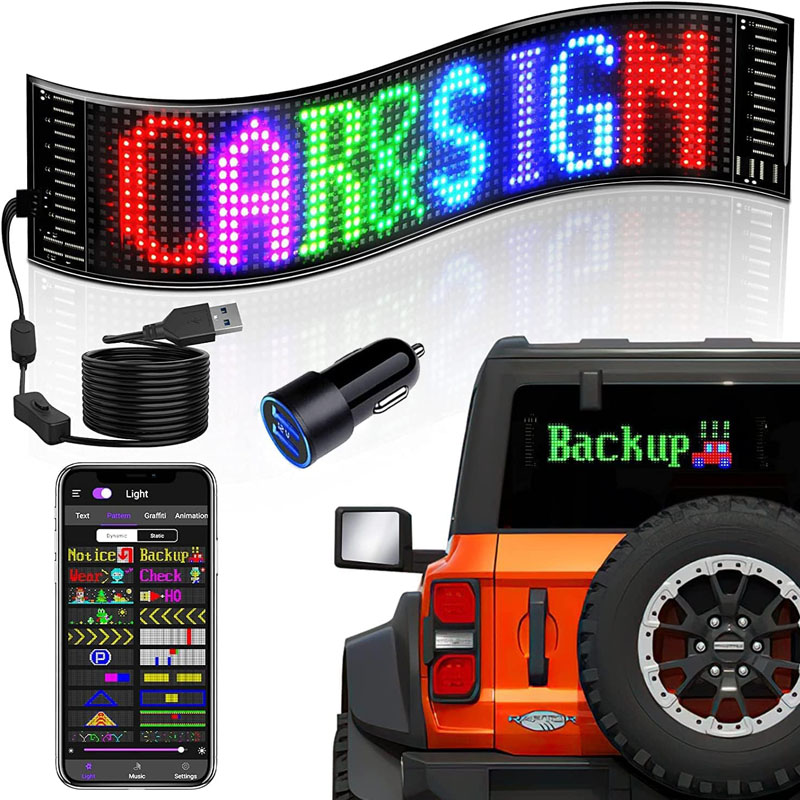
LED Sign for Car


Table of Contents

  1. Article Outline
  2. Node 1: How Do LED Dot Matrix Displays Work at a System Level?
  3. Node 2: How Are LED Dot Matrix Displays Evaluated by Technical Parameters?
  4. Node 3: How Are LED Dot Matrix Displays Applied Across Industries?
  5. Node 4: How Will LED Dot Matrix Displays Evolve in the Future?
  6. Common Questions and Answers
  7. Conclusion and Contact Information

Article Outline

  • Technical fundamentals of LED Dot Matrix Displays
  • Key performance parameters and engineering considerations
  • Industry-specific deployment models
  • Future development and innovation directions

Node 1: How Do LED Dot Matrix Displays Work at a System Level?

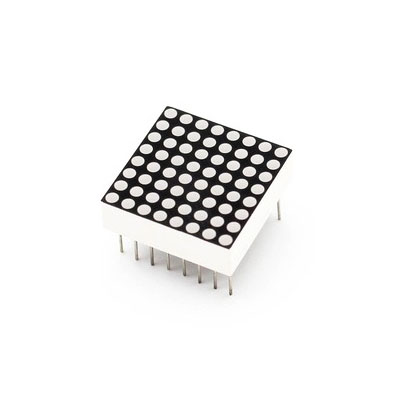
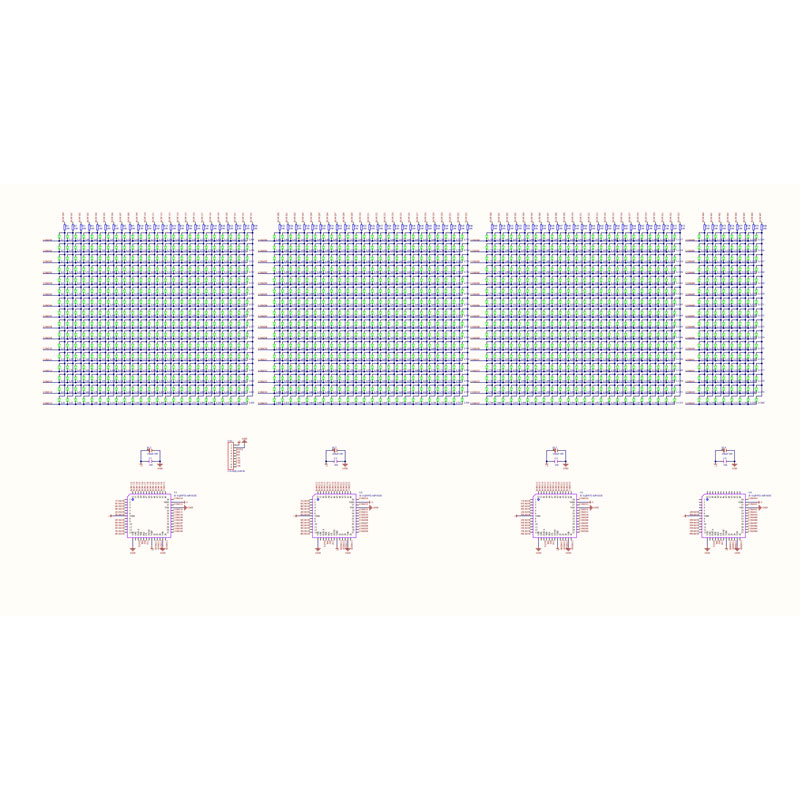
An LED Dot Matrix Display is composed of a two-dimensional grid of light-emitting diodes arranged in rows and columns. Each LED functions as an individual pixel capable of emitting light when electrically activated. By selectively controlling the on/off state and brightness of each diode, the system renders alphanumeric characters, symbols, animations, and graphical patterns.

At the system level, a typical LED Dot Matrix Display includes four core components: the LED matrix panel, the driver circuitry, the control unit, and the power management module. The control unit interprets incoming data signals—commonly via SPI, I2C, UART, or Ethernet—and translates them into timing instructions for the driver ICs. These driver ICs regulate current flow to ensure uniform brightness and color consistency across the matrix.

Scanning technology plays a critical role in display efficiency. Instead of powering all LEDs simultaneously, multiplexing techniques rapidly refresh rows or columns in sequence. This approach significantly reduces power consumption while maintaining visual persistence, enabling large-format displays to operate reliably over extended periods.


Node 2: How Are LED Dot Matrix Displays Evaluated by Technical Parameters?

Selecting an LED Dot Matrix Display requires careful evaluation of performance parameters that directly affect visibility, durability, and system compatibility. These parameters define whether a display can meet operational demands in indoor, outdoor, or industrial environments.

Parameter Description Typical Range
Pixel Pitch Distance between adjacent LED pixels, determining resolution and viewing distance 1.5 mm – 16 mm
Brightness Luminance output measured in nits for indoor or outdoor readability 800 – 8000 nits
Color Configuration Monochrome, bi-color, or full RGB spectrum Red / Green / Blue / RGB
Refresh Rate Number of display updates per second ≥ 1920 Hz
Operating Temperature Environmental tolerance for stable operation -20°C to +60°C

Beyond numerical specifications, mechanical structure, ingress protection ratings, and thermal dissipation design are equally critical. Displays deployed in transportation hubs or outdoor signage must withstand vibration, dust, moisture, and prolonged UV exposure without degradation in luminance or color accuracy.


Node 3: How Are LED Dot Matrix Displays Applied Across Industries?

LED Dot Matrix Displays serve as modular visual interfaces across multiple sectors due to their adaptability and long service life. In industrial environments, they are commonly integrated into control panels, production counters, and real-time status boards, delivering clear numeric and symbolic information under high ambient lighting.

In transportation and public infrastructure, these displays provide timetable updates, traffic guidance, and safety notifications. Their high contrast ratios and wide viewing angles ensure legibility from varying distances, even under direct sunlight.

Commercial applications include retail signage, financial information boards, and programmable message displays. The ability to update content dynamically allows businesses to respond quickly to operational changes, promotional cycles, or regulatory requirements.


Node 4: How Will LED Dot Matrix Displays Evolve in the Future?

Future development of LED Dot Matrix Displays is driven by advances in semiconductor efficiency, smart control systems, and integration with digital networks. Higher luminous efficacy and lower power consumption will enable larger installations with reduced operational costs.

Intelligent control platforms will allow displays to interface seamlessly with IoT ecosystems, enabling remote diagnostics, predictive maintenance, and adaptive brightness control based on ambient conditions. Additionally, finer pixel pitches and enhanced color calibration will expand their role in high-definition visual communication.

Sustainability considerations are also shaping design priorities. Manufacturers are increasingly focusing on recyclable materials, longer component lifecycles, and energy-optimized driver architectures to meet global environmental standards.


Common Questions and Answers About LED Dot Matrix Displays

Q: How does pixel pitch affect viewing distance?
A: Smaller pixel pitch values increase resolution, making them suitable for close-range viewing, while larger pitches are optimized for long-distance visibility.

Q: How are LED Dot Matrix Displays controlled?
A: They are typically controlled via microcontrollers, PLCs, or embedded systems using standardized communication protocols such as SPI, UART, or Ethernet.

Q: How long is the typical service life of an LED Dot Matrix Display?
A: Under normal operating conditions, high-quality LED Dot Matrix Displays can exceed 50,000 to 100,000 hours of continuous operation.


Conclusion and Contact Information

LED Dot Matrix Displays continue to serve as a reliable and scalable solution for structured visual communication across industries. By understanding their operating principles, technical parameters, and deployment models, organizations can maximize performance, longevity, and return on investment.

GuangDong RGB Optoelectronics Technology Co., Ltd. specializes in the research, manufacturing, and customization of LED Dot Matrix Display solutions designed to meet diverse industrial and commercial requirements. With a focus on engineering precision and long-term reliability, the company supports global partners across multiple application domains.

For tailored specifications, technical consultation, or project collaboration, please contact us to discuss how LED Dot Matrix Display solutions can be aligned with specific operational goals.

What Makes LED Segment Displays the Future of Digital Visual Communication?

What Makes LED Segment Displays the Future of Digital Visual Communication?

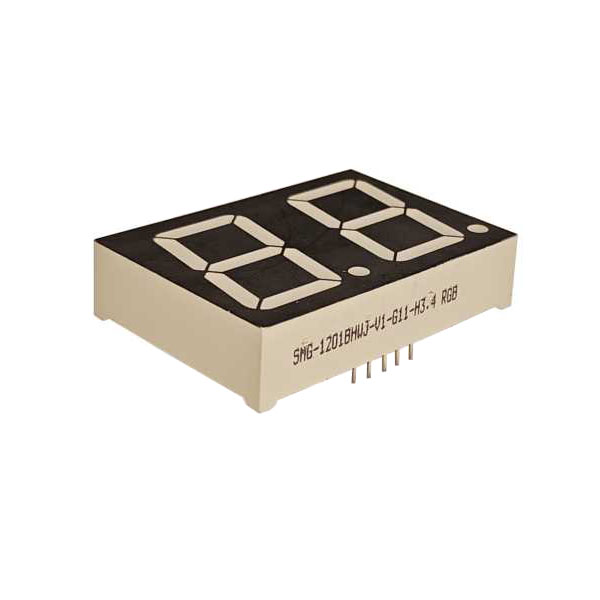
An LED Segment Display is a type of electronic display device that uses light-emitting diodes (LEDs) arranged in segments to display numbers, letters, or symbols. It is widely used in digital clocks, meters, calculators, appliances, and industrial control panels due to its clarity, reliability, and low power consumption. Each segment of the display is illuminated separately to form numerical or alphabetical characters, enabling precise and energy-efficient data visualization.

View More

Guangzhou RGB Optoelectronic Technology Co., Ltd.

Guangzhou RGB Optoelectronic Technology Co., Ltd. was founded in Guangzhou in 2005. The company's main products are LED Segment Displays, LCD display, LED Module and Customized LED Color Displays. Our products are well-known in the market for their high-end, high quality, high reliability, and high environmental applicability, and are widely used in various household appliances.

Learn more
987654321
We use cookies to offer you a better browsing experience, analyze site traffic and personalize content. By using this site, you agree to our use of cookies. Privacy Policy
Reject Accept