SMD 7-segment displays have become one of the most widely used display components in modern electronics. From industrial equipment and medical devices to consumer appliances and automotive dashboards, these compact LED display modules offer excellent visibility, energy efficiency, and long-term reliability.
This article explains how SMD 7-segment displays work, their key advantages, common applications, comparison with traditional display technologies, installation considerations, and how businesses can select the right solution for their projects. Whether you are an engineer, product designer, distributor, or procurement manager, this guide will help you make informed decisions.
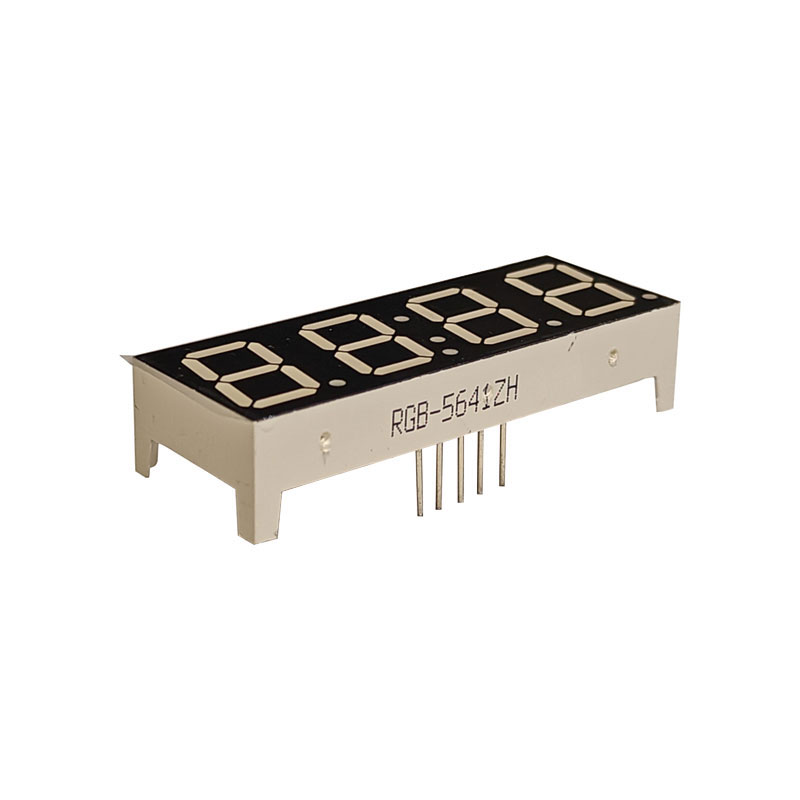
An SMD 7-segment display is a compact electronic display component designed using Surface Mount Device (SMD) technology. It consists of seven individual LED segments arranged in a figure-eight pattern. By selectively illuminating these segments, the display can show numbers from 0 to 9 and certain alphabetic characters.
Unlike traditional through-hole displays, SMD versions are mounted directly onto the surface of a printed circuit board (PCB), enabling more compact designs, automated assembly, and higher production efficiency.
| Feature | Description |
|---|---|
| Mounting Type | Surface Mount Technology (SMT) |
| Display Format | Numeric and limited alphanumeric |
| Light Source | LED technology |
| Common Colors | Red, green, blue, white, amber |
Each segment in the display contains an LED. When electrical current flows through a segment, it lights up. Different combinations of illuminated segments form different digits.
For example:
SMD displays are generally available in two electrical configurations:
All cathodes are connected together. Individual segments light up when positive voltage is applied.
All anodes are connected together. Segments illuminate when connected to ground.
Manufacturers and engineers choose SMD 7-segment displays because they provide several operational and manufacturing benefits.
These advantages make SMD displays especially valuable for high-volume manufacturing environments where efficiency and consistency are critical.
SMD 7-segment displays are used in numerous industries because of their simplicity, durability, and cost-effectiveness.
| Industry | Application |
|---|---|
| Consumer Electronics | Digital clocks, calculators, kitchen appliances |
| Industrial Equipment | Control panels, counters, timers |
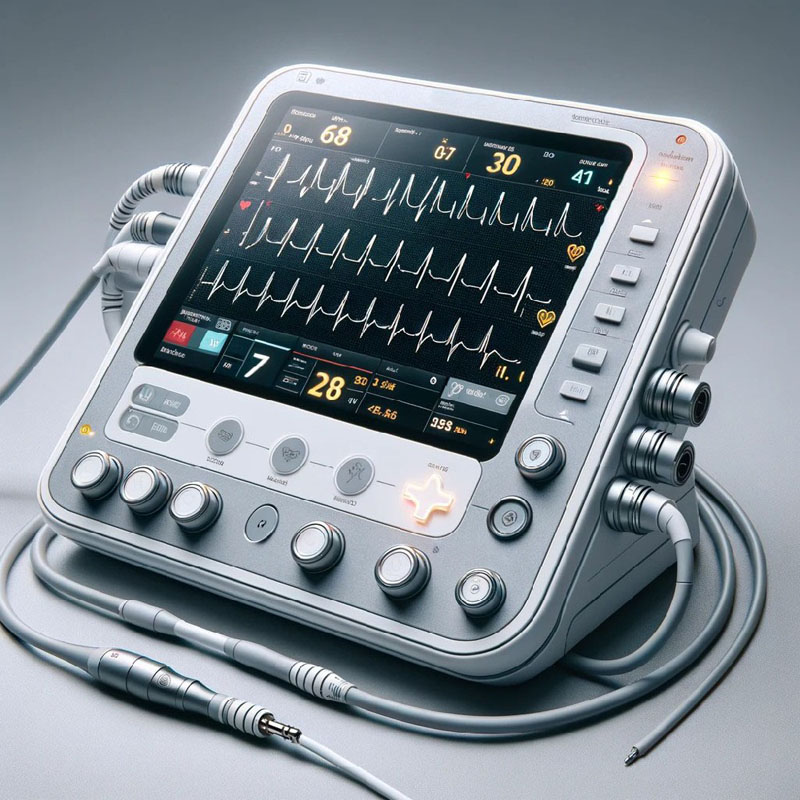
| Medical Devices | Monitoring systems and diagnostic equipment |
| Automotive | Dashboard indicators and display modules |
| Smart Home Devices | Temperature controllers and IoT products |
One of the biggest decisions engineers face is choosing between SMD displays and traditional through-hole models.
| Comparison Factor | SMD Display | Through-Hole Display |
|---|---|---|
| Assembly Method | Automated SMT | Manual or wave soldering |
| PCB Space | Compact | Larger footprint |
| Production Speed | High-speed assembly | Slower process |
| Mechanical Strength | Moderate | Very strong |
| Cost Efficiency | Excellent for mass production | Higher labor costs |
Before selecting an SMD 7-segment display, engineers should carefully evaluate several technical parameters.
A wider viewing angle improves readability from different positions.
Brightness affects visibility under daylight or high ambient light.
Low current consumption is important for battery-powered devices.
Industrial applications require displays with wide temperature tolerance.
Choosing the correct SMD 7-segment display directly impacts product quality, performance, and manufacturing efficiency.
Here are several important factors to consider:
Working with an experienced manufacturer helps reduce procurement risks and ensures stable long-term supply.
Proper PCB layout and mounting practices significantly improve display performance and production yield.
Many display failures result not from the display itself but from poor PCB design or improper soldering conditions.
| Problem | Possible Cause | Solution |
|---|---|---|
| Uneven Brightness | Incorrect current control | Use proper resistors or drivers |
| Dead Segments | Poor solder joints | Inspect soldering quality |
| Flickering | Unstable power supply | Improve voltage regulation |
| Overheating | Excessive current | Reduce operating current |
As electronic devices continue becoming smaller and smarter, display technology is evolving rapidly.
Modern SMD 7-segment displays are now being developed with:
These improvements help manufacturers create more reliable and energy-efficient electronic systems for global markets.
Reliable supply chains are essential in the electronics industry. Choosing a professional display manufacturer provides advantages such as stable product quality, customized solutions, technical support, and scalable production capacity.
Guangzhou RGB Optoelectronic Technology Co., Ltd. specializes in high-quality LED display solutions for industrial, automotive, consumer electronics, and smart device applications. With advanced production capabilities and strict quality management systems, the company supports customers worldwide with dependable display technologies.
Professional suppliers can also assist with custom display colors, digit sizes, PCB compatibility, and application-specific requirements, helping businesses reduce development time and improve product reliability.
Yes. LED-based SMD displays consume relatively low power compared to many traditional display technologies, making them suitable for portable and battery-powered devices.
Yes. Manufacturers can customize digit size, color, brightness, pin configuration, and packaging based on customer requirements.
High-quality LED displays can operate for tens of thousands of hours under proper electrical and thermal conditions.
Red and green are commonly preferred because they offer excellent visibility under most lighting conditions.
Absolutely. Industrial-grade SMD displays are designed to withstand vibration, temperature variation, and long operating cycles.
SMD 7-segment displays remain one of the most practical and cost-effective display technologies in the electronics industry. Their compact structure, high visibility, low power consumption, and compatibility with automated manufacturing processes make them ideal for a wide range of applications.
Whether you are developing consumer electronics, industrial control systems, medical equipment, or automotive products, selecting the right display supplier can significantly improve product quality and production efficiency.
Guangzhou RGB Optoelectronic Technology Co., Ltd. is ready to support your projects with professional manufacturing capabilities, customized display solutions, and responsive technical assistance.
Contact us today to discuss your requirements and discover the ideal LED display solution for your business.