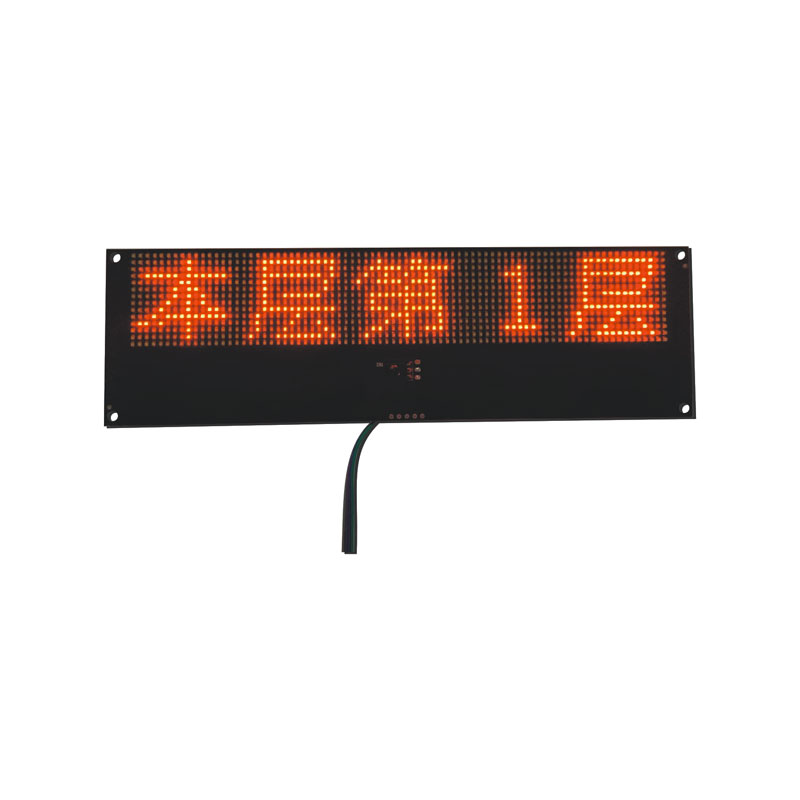
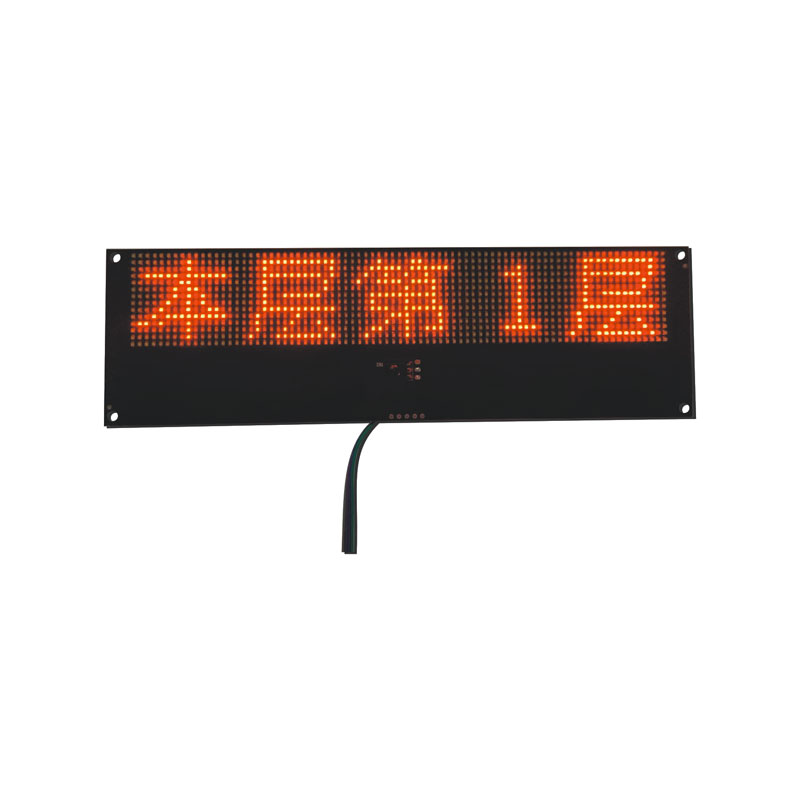
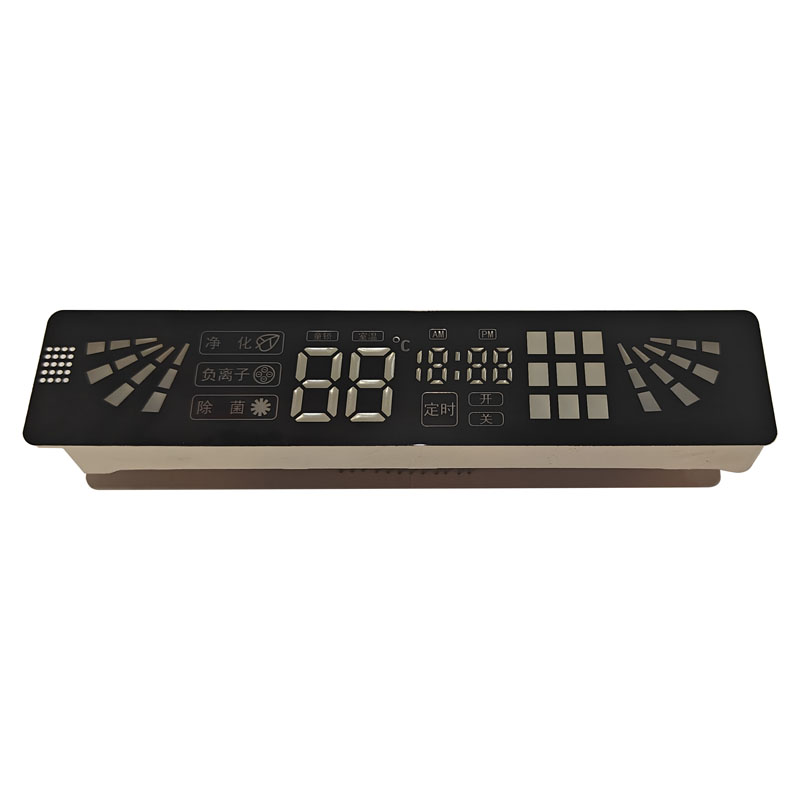
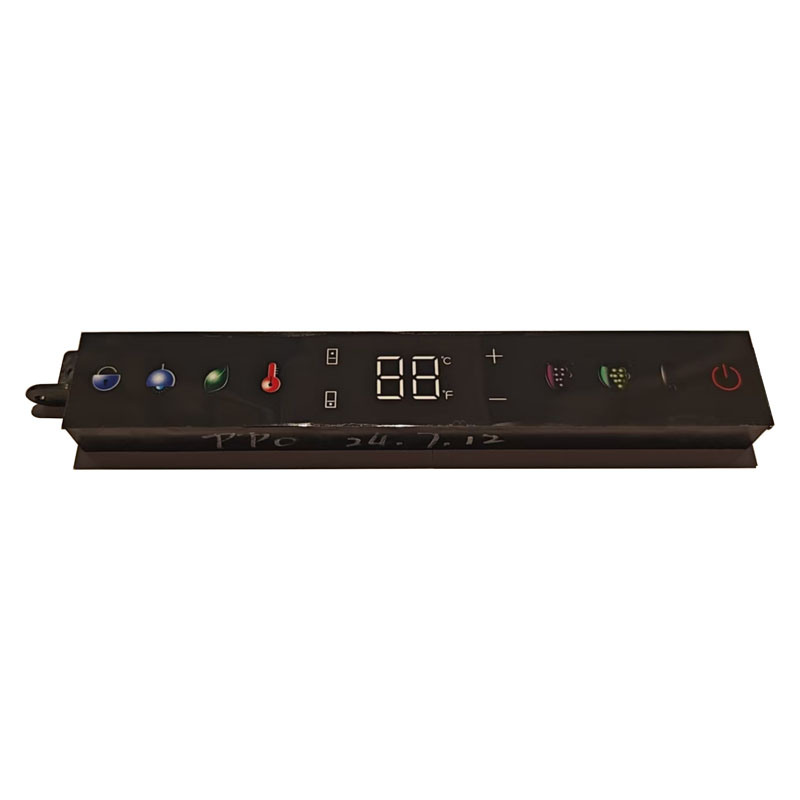
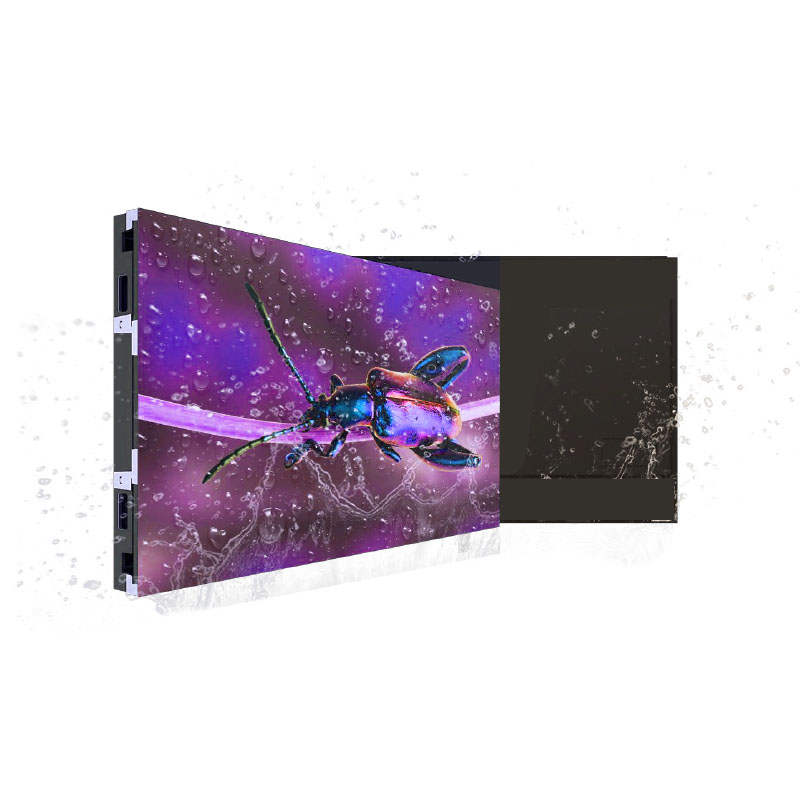
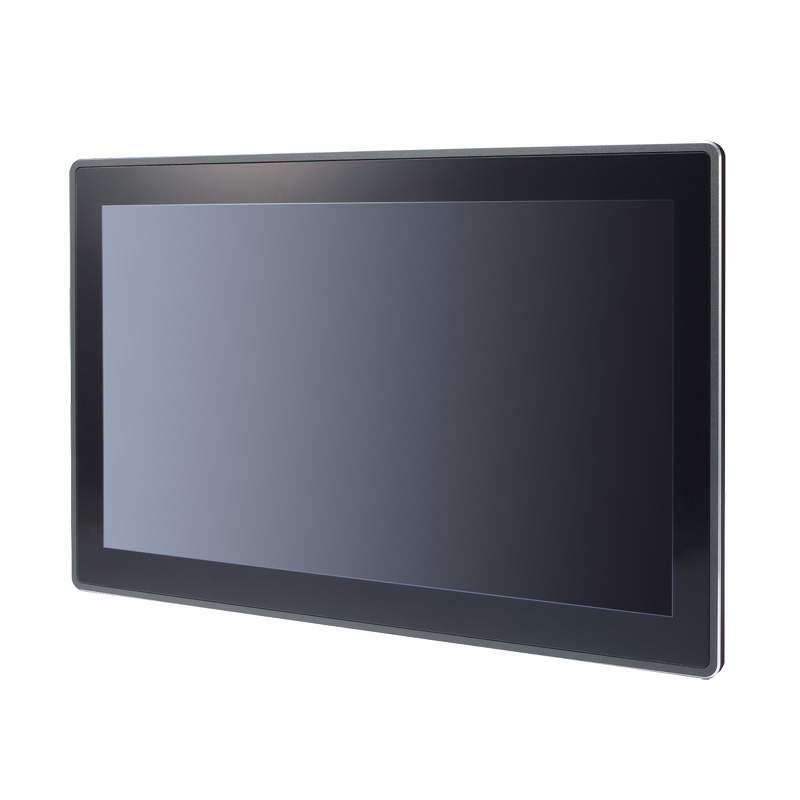
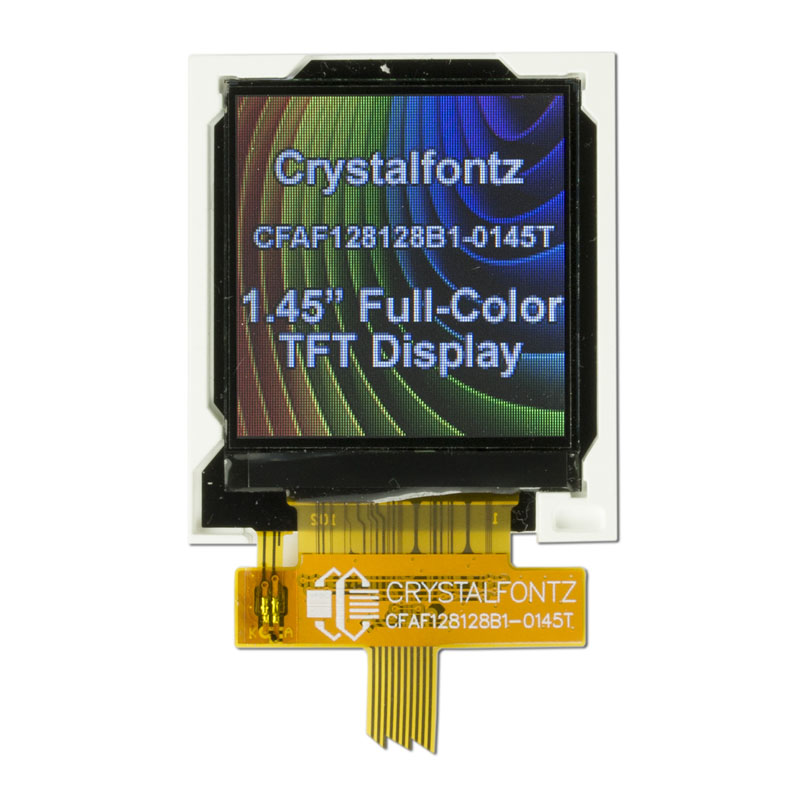
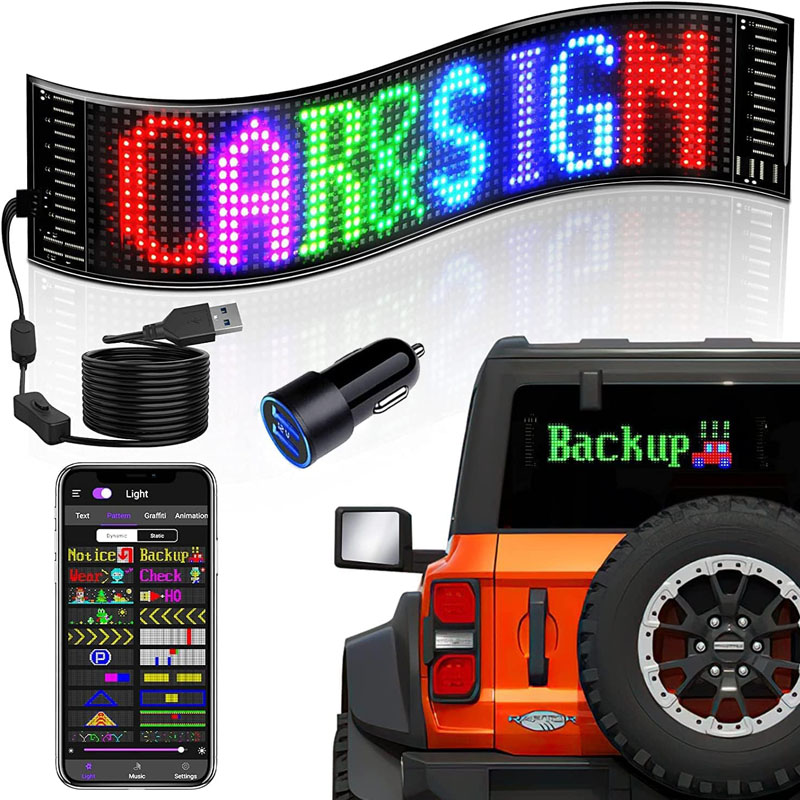
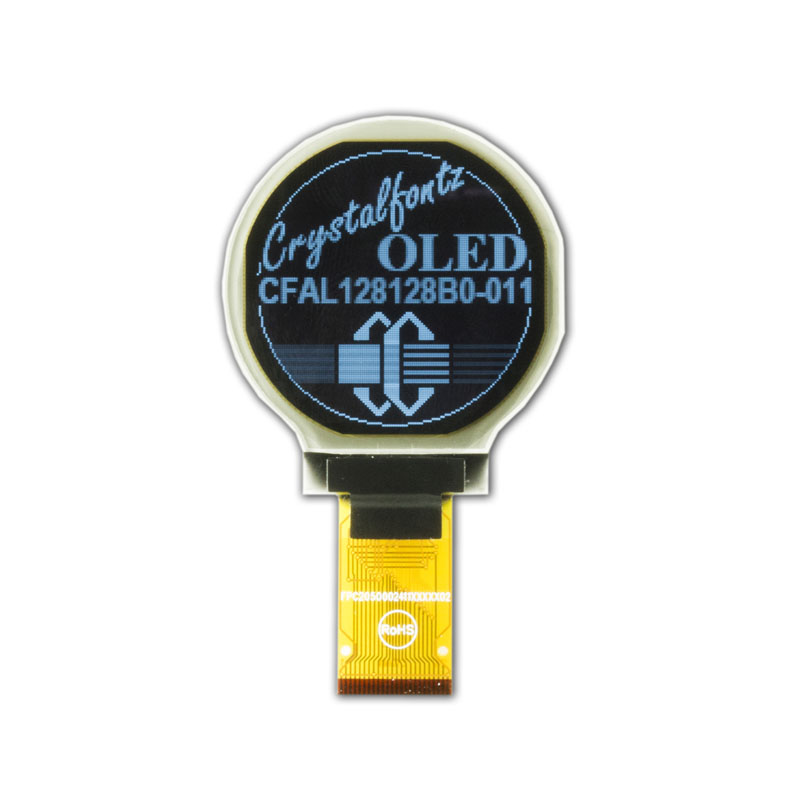
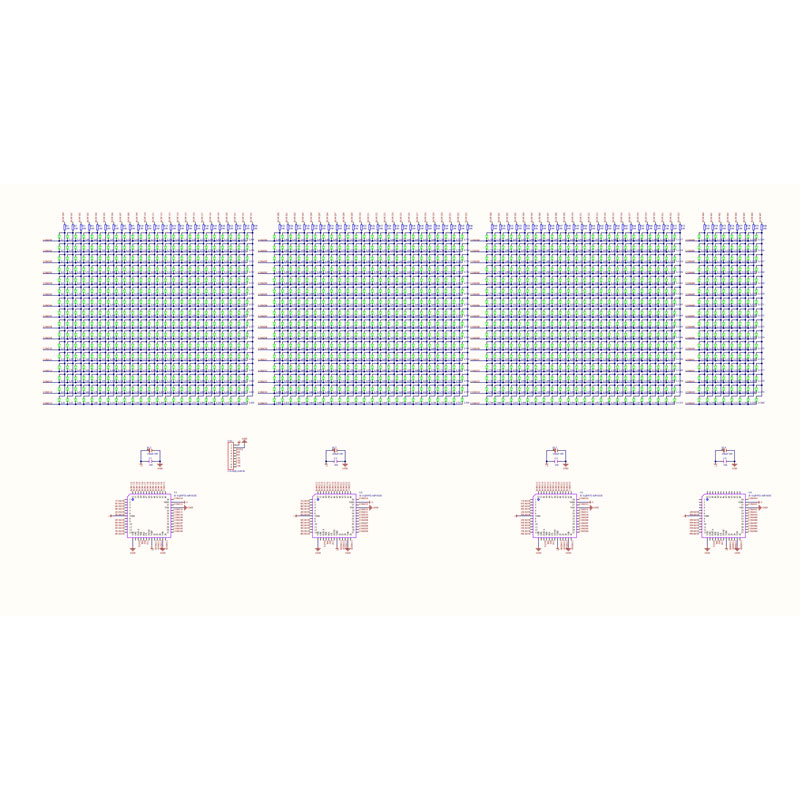
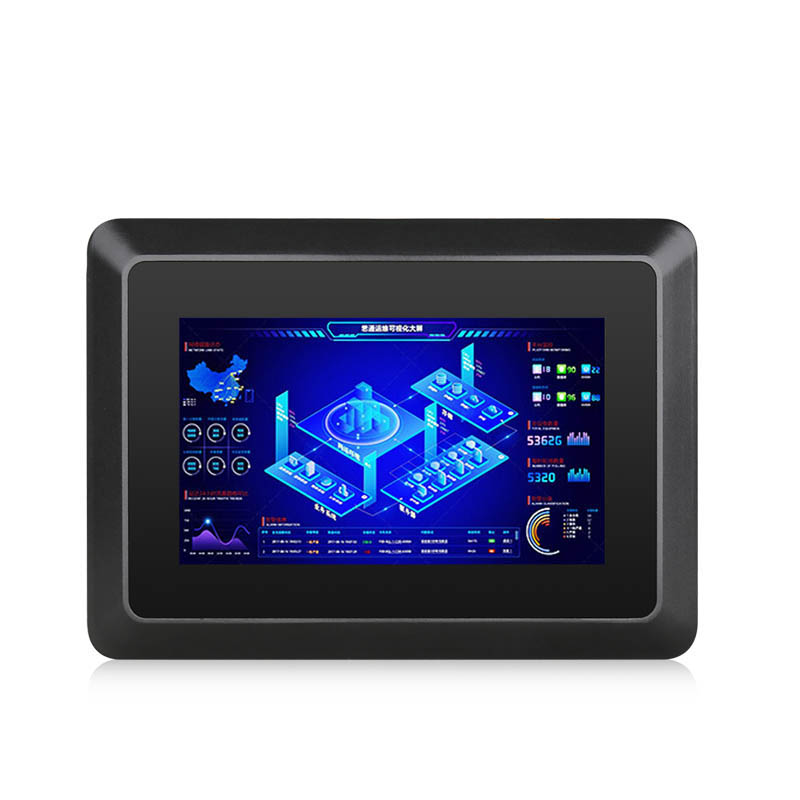
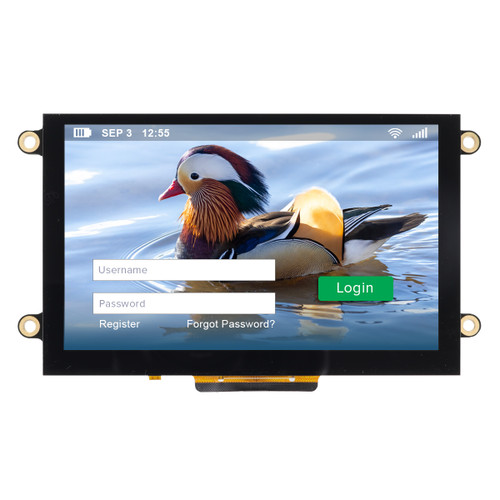
First, Graphic LED Display receives data signals from the controller through pixel drive and control driver IC, refreshes row by row or column by column through dynamic scanning, and converts them into current signals to control the LED on and off.
Secondly, color and grayscale control PWM dimming. Brightness is controlled by quickly switching LEDs and adjusting the duty cycle.
Finally, data transmission and refresh data input. Video or image signals are input to the controller through interfaces such as HDMI, DVI, LVDS, etc., and sent to the driver IC after processing.
2. Key technologies
HDR (high dynamic range): improve contrast, make dark areas darker and bright areas brighter.
Calibration technology: Ensure display uniformity through brightness calibration (Calibration).
3. Application advantages
High brightness: suitable for outdoor environment.
Modular design: can be spliced into screens of any size.
Energy saving: adopts high-efficiency LED and dynamic energy-saving drive.
In summary, Graphic LED Display achieves high-resolution and high-color reproduction dynamic image display through precise electronic control, PWM dimming and dynamic scanning technology, and is widely used in advertising, stage, transportation and other fields.
We use cookies to offer you a better browsing experience, analyze site traffic and personalize content. By using this site, you agree to our use of cookies.Privacy Policy