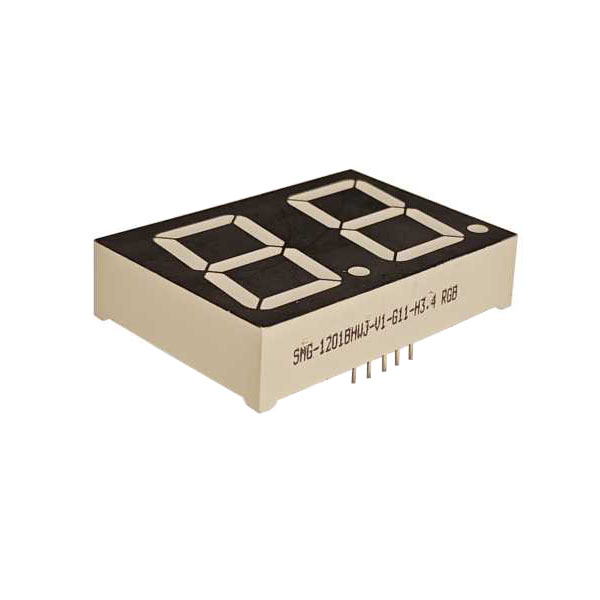
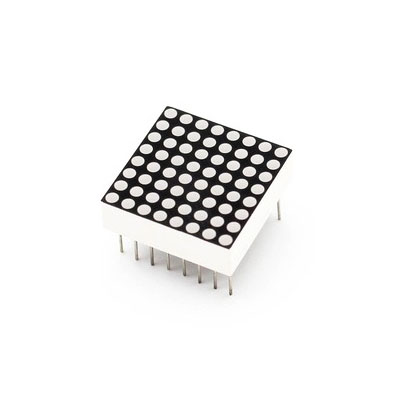
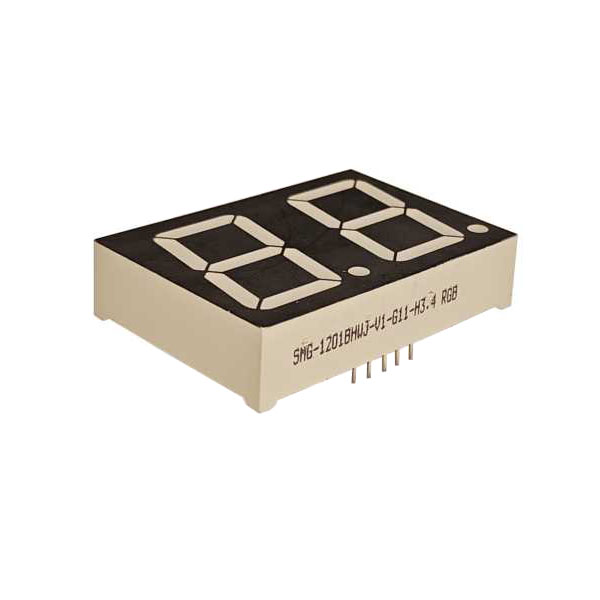
Seven-segment LED display is a digital display component composed of seven groups of strip-shaped light-emitting diodes, which has the characteristics of low operating voltage, high contrast and modular packaging structure. In a high temperature environment, the carrier mobility change of semiconductor materials, the difference in thermal expansion coefficient of packaging colloids and the performance drift of driving circuit components accelerate the aging of devices. Protection measures need to be implemented in three aspects: material thermal stability, heat dissipation design and driver optimization.
Material selection is the basis of high temperature protection. LED chips need to use wide bandgap semiconductor materials to improve intrinsic temperature resistance. The packaging process of Seven-segment LED display should use epoxy resin with glass transition temperature, and a silicone buffer layer should be used to absorb thermal stress.
The heat dissipation structure design directly affects the life of Seven-segment LED display. Under natural convection conditions, aluminum-based PCB with heat dissipation fins can control the junction temperature within 80% of the allowable value. For a closed installation environment, an axial ventilation channel needs to be set to avoid local heat accumulation causing chromaticity drift exceeding the visual perception threshold.
The driving circuit needs to adopt a temperature compensation strategy. Embedding a negative temperature coefficient resistor in the anode drive circuit can automatically reduce the output current as the temperature rises, ensuring that the operating current in a high temperature environment does not exceed 75% of the specified value.
We use cookies to offer you a better browsing experience, analyze site traffic and personalize content. By using this site, you agree to our use of cookies.Privacy Policy